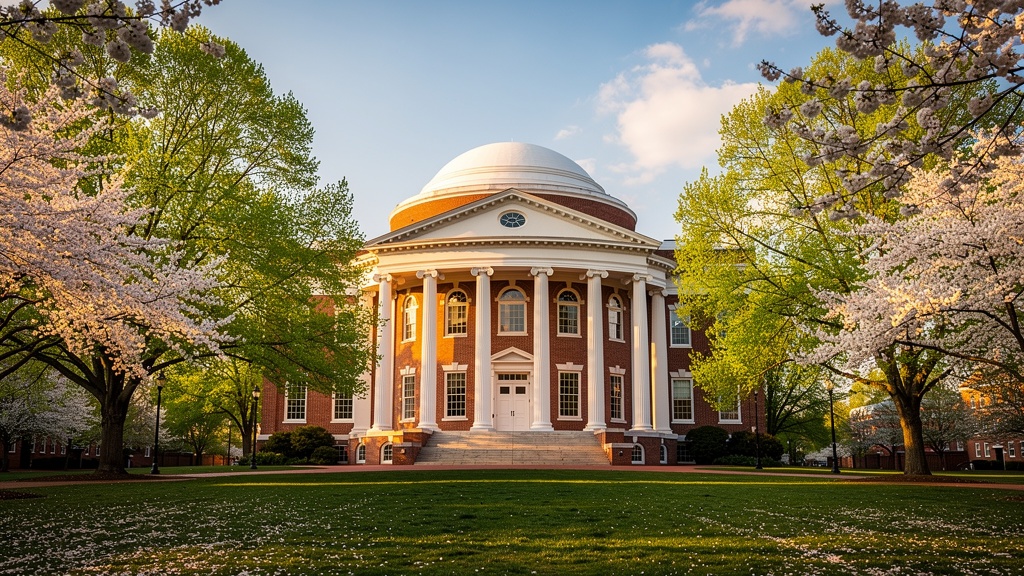
Welcome to the Old Dominion

Discover Virginia, USA

From the mist-draped peaks of the Blue Ridge Mountains and the pristine sands of Virginia Beach to the cobblestone streets of Colonial Williamsburg and the hallowed grounds of the University of Virginia — Virginia is a destination unlike any other on Earth.

42,775sq miles of beauty
8.7M+residents
400+years of history
30+state parks
100+wineries & vineyards
The Old Dominion State

Why Virginia Belongs on Every Traveler's Bucket List

Virginia is a state that effortlessly weaves the threads of American history, natural grandeur, academic excellence, and contemporary culture into a tapestry unlike anything else in the United States. It is a destination that rewards every type of traveler — history buffs, nature lovers, foodies, adventure-seekers, and those who simply want to slow down and breathe in the sweeping beauty of a landscape that has inspired presidents, poets, and philosophers for centuries.

Cobblestone streets and lantern-lit colonial buildings of Williamsburg at twilight
Living History

Where America's Story Begins

Virginia is the birthplace of eight United States presidents — more than any other state — and the site of the very first permanent English settlement in the New World at Jamestown in 1607. Walking through Colonial Williamsburg, you step back into the 18th century, where costumed interpreters breathe life into the revolutionary era that forged the United States. The air itself seems heavy with history here, fragrant with the wood smoke of blacksmith forges, the creak of horse-drawn carriages on cobbled lanes, and the animated debate of founders wrestling with the nature of liberty and governance.

Monticello, the magnificent mountaintop estate designed by Thomas Jefferson, stands as one of the most architecturally and intellectually significant homes in American history. The Virginia State Capitol in Richmond, also designed by Jefferson and modelled after a Roman temple in Nîmes, France, was the scene of Benedict Arnold's raid, the Confederate government's seat of power, and countless turning points in the national narrative.

  • Jamestown Settlement — site of America's first English colony, est. 1607
  • Colonial Williamsburg — world's largest living history museum
  • Monticello — UNESCO World Heritage Site and Jefferson's masterpiece
  • Appomattox Court House — where the Civil War came to an end
Explore Historic Sites
Virginia Beach boardwalk stretching along the golden sand at sunrise
Coastal Beauty

Sun, Surf & Serenity on the Atlantic Coast

Virginia's Atlantic coastline is a world of contrasts that delights in equal measure. Virginia Beach, the most populous city in the Commonwealth, is synonymous with wide, pristine sandy beaches stretching for miles, a vibrant three-mile boardwalk humming with energy, and a resort district packed with outstanding restaurants, live music venues, and family attractions. Yet Virginia Beach is also home to the Back Bay National Wildlife Refuge and the False Cape State Park — wild, windswept landscapes accessible only by trail or boat, where migratory birds fill the sky and the hand of humankind is scarcely visible.

Further south along the Eastern Shore, the barrier islands of Chincoteague and Assateague form one of the most extraordinary coastal wilderness areas on the East Coast. Here, the famous wild Chincoteague ponies roam the salt marshes and sandy shores, a sight so stirring it has inspired beloved children's literature and the dreams of generations of visitors. The Chesapeake Bay, the largest estuary in North America, divides Virginia's mainland from its Eastern Shore, and its blue-grey waters yield extraordinary blue crab, oysters, and striped bass that define the region's culinary identity.

  • Virginia Beach — 35 miles of stunning Atlantic Ocean shoreline
  • Chincoteague Island — famous for wild ponies and pristine marshlands
  • Chesapeake Bay — North America's largest estuary and seafood paradise
  • False Cape State Park — one of the most remote wilderness areas on the US East Coast
Coastal Adventures
Top Reasons to Visit

Six Compelling Reasons to Choose Virginia

🏛️ Unrivalled History

Virginia holds more nationally significant historic sites per square mile than almost any other state. From the birthplace of the American Republic at Jamestown to the final battlefield of the Civil War at Appomattox, the Old Dominion is a living classroom of American history. The Fredericksburg and Spotsylvania National Military Park, the Colonial National Historical Park, and dozens of National Historic Landmarks ensure that history lovers will never exhaust Virginia's offerings.

🎓 World-Class Universities

Virginia is home to some of the most prestigious institutions of higher learning in the United States. The University of Virginia in Charlottesville, founded by Thomas Jefferson and a UNESCO World Heritage Site, is consistently ranked among the top public universities in the country. Virginia Tech in Blacksburg leads the nation in engineering and technology research. The College of William & Mary, founded in 1693, is the second-oldest university in the country and among the most respected liberal arts institutions in America.

🏔️ Spectacular Scenery

The Blue Ridge Mountains stretch the entire length of western Virginia, offering jaw-dropping vistas, serene hiking trails, and a quality of natural beauty that has been celebrated since George Washington himself called the region's scenery sublime. Shenandoah National Park, threaded by the famous Skyline Drive, is particularly extraordinary in autumn when the hardwood forest ignites in a symphony of crimson, gold, and amber. The rolling Piedmont hills between the mountains and the coastal plain are dotted with vineyards, horse farms, and charming small towns that feel frozen in a more gracious era.

🍷 Wine & Culinary Richness

Virginia has emerged as one of America's premier wine destinations, with more than 300 wineries producing award-winning vintages across the state. The Monticello Wine Trail in the foothills of the Blue Ridge Mountains is particularly celebrated. But Virginia's culinary identity extends well beyond its wine: the Chesapeake blue crab, the Virginia ham, the peanut-based soups and stews of the Southside region, and the oysters harvested from the waters of the Eastern Shore all represent a food heritage that is both deeply rooted and endlessly fascinating.

🥾 Outdoor Adventures

With its vast network of hiking trails, including a significant stretch of the Appalachian Trail, its whitewater rivers, its coastal marshes and barrier islands, and its 36 state parks, Virginia is an outdoor enthusiast's paradise. Rock climbing at Seneca Rocks, fly fishing the Rapidan River, sea kayaking around the barrier islands of the Eastern Shore, mountain biking the trails of Fairy Stone State Park — the variety of outdoor experiences available in Virginia is genuinely staggering, and the state's temperate four-season climate means that outdoor recreation is possible virtually year-round.

🎭 Vibrant Arts & Culture

Virginia's cultural landscape is as diverse and layered as its geography. Richmond, the state capital, has a thriving arts scene anchored by the Virginia Museum of Fine Arts — one of the largest and most important art museums in the southeastern United States. The Barter Theatre in Abingdon, the oldest professional theatre in America, presents world-class productions. The Wolf Trap National Park for the Performing Arts near Washington D.C. hosts legendary musicians and performances in a stunning outdoor setting. The state's African American history and heritage, from the enslaved craftspeople who built Monticello to the civil rights pioneers who challenged Jim Crow laws, add essential depth to Virginia's cultural narrative.

Plan Your Visit

When to Visit & How to Get Around Virginia

🌸 Spring (March–May)

Spring is arguably the most beautiful season in Virginia. Cherry blossoms and dogwoods paint the landscape in shades of white and pink, the Shenandoah Valley is lush with new growth, and the weather is mild and inviting. This is an ideal time to explore the historic sites of the Northern Neck, hike the trails of Shenandoah National Park before summer crowds arrive, and attend the Virginia Festival of the Book in Charlottesville. Temperatures range from the mid-40s °F (7°C) to the mid-70s °F (24°C), making outdoor exploration very comfortable.

☀️ Summer (June–August)

Summer in Virginia means Virginia Beach, and the resort city draws millions of visitors to its sun-drenched shores every year. The mountains offer welcome relief from coastal humidity, with temperatures running 10–15°F cooler at higher elevations. Summer is also festival season: the Boardwalk Art Show in Virginia Beach, the Ash Lawn Opera Festival near Charlottesville, and countless county fairs and outdoor concerts enliven communities across the state. Temperatures in the Piedmont and Coastal Plain can reach the upper 80s °F (31–33°C) with significant humidity.

🍂 Autumn (September–November)

Autumn is the most photographed season in Virginia, and with good reason. The Shenandoah Valley and Blue Ridge Highlands blaze with extraordinary fall foliage from mid-October through early November, drawing leaf-peepers from across the Eastern Seaboard. The harvest season brings wine and apple festivals to the Piedmont, hunting season opens in the mountains, and the cooling temperatures make hiking and cycling particularly enjoyable. The Blue Ridge Parkway and Skyline Drive are among the finest autumn drives in the entire country.

❄️ Winter (December–February)

Winter reveals a quieter, more intimate Virginia. The crowds thin, admission lines disappear at popular attractions, and accommodation rates drop significantly at coastal and mountain resorts. The ski resorts at Wintergreen and Massanutten open for business, and the colonial towns of Williamsburg and Fredericksburg take on a magical quality during the Christmas season, with candlelit tours and festive decorations. Snowfall in the Blue Ridge can be substantial, transforming the mountain landscape into a breathtaking winter wonderland that few visitors outside the region ever see.

Explore Everything Virginia Has to Offer

Each page of this guide goes deep into one of Virginia's defining themes, packed with tips, history, recommendations, and insider knowledge to help you plan an unforgettable journey.

Monticello Thomas Jefferson estate in Charlottesville Virginia
Must-See

Top Attractions & Landmarks

From UNESCO World Heritage Sites and iconic presidential estates to natural geological wonders and a living history museum the size of a small town, Virginia's top attractions rank among the finest in the entire world. Discover Monticello, Shenandoah National Park, Natural Bridge, Arlington National Cemetery, and dozens more landmark destinations that belong on every traveler's itinerary.

Discover Attractions →
University of Virginia Rotunda designed by Thomas Jefferson
Academic Heritage

Universities & Educational Heritage

Virginia's universities are not merely educational institutions — they are architectural masterpieces, historical landmarks, and intellectual powerhouses that have shaped the American nation. Tour the UNESCO-listed grounds of the University of Virginia, the Gothic campus of Washington & Lee University, and the storied halls of William & Mary — the second-oldest university in America. Academic heritage tourism is one of Virginia's most distinctive and rewarding travel experiences.

Explore Universities →
Virginia wine country vineyard at harvest with Blue Ridge Mountain backdrop
Taste Virginia

Food, Wine & Living Culture

Virginia's culinary heritage is a rich fusion of Indigenous foodways, colonial English traditions, African American cooking genius, and contemporary farm-to-table innovation. Explore the state's legendary Virginia ham and peanut traditions, discover why the Chesapeake blue crab is a cultural institution, and tour the stunning wine country of the Monticello AVA. Virginia's food and culture scene is as surprising as it is deeply satisfying.

Taste & Experience →
Hiking trail in the Appalachian Mountains of Virginia with misty valley views
Adventure Awaits

Outdoor Adventures & Nature

Whether you're lacing up hiking boots for a multi-day Appalachian Trail section hike, paddling the whitewater of the New River Gorge, spotting wild ponies on Assateague Island, or simply driving the incomparable Blue Ridge Parkway with the windows down and the world falling away behind you, Virginia's outdoor adventures are second to none. With 36 state parks and hundreds of miles of trails, nature always beckons.

Plan Your Adventure →

"I am as happy nowhere else, and in no other society, and all my wishes end where I hope my days will end, at Monticello."

— Thomas Jefferson, on Virginia, 1787

Virginia inspired the third President of the United States so profoundly that he designed his own vision of architectural perfection on its red clay hills. It has inspired writers from William Styron and Tom Wolfe to contemporary novelists who still find the state's complex, layered character an inexhaustible source of narrative and metaphor. Virginia is a place that gets under your skin, and once it does, it never truly lets go.

The landscape itself is a character — the ancient, worn-down Blue Ridge, the placid mirrored waters of the Chesapeake, the primordial swamps of the Great Dismal, the tidal rivers that once served as highways for indigenous peoples and European colonists alike. Virginia is geologically ancient and historically young, a paradox that gives the state an uncanny sense of depth and resonance.

No matter how many times you visit Virginia, you will always discover something new: a hidden waterfall in the George Washington National Forest, a family-run vineyard producing extraordinary Viognier, a country store that has been selling the same Virginia-cured hams since before the Civil War, a university lecture series open to the public that sparks an intellectual fire you carry home with you. Virginia gives and gives and gives. We invite you to come and receive its gifts.

Frequently Asked Questions About Visiting Virginia

Virginia is a year-round destination, but many travelers prefer spring (April–May) and autumn (October–November) for the most comfortable temperatures and stunning natural scenery. Spring brings spectacular wildflower blooms and cherry blossoms, while autumn delivers world-famous fall foliage along the Blue Ridge Mountains. Summer is ideal for Virginia Beach and outdoor water activities, while winter offers quieter historic towns and excellent ski resorts.

Virginia is a large state with diverse regions, so the ideal trip length depends on your interests. A week-long visit allows you to cover the major highlights: Colonial Williamsburg and the Historic Triangle, Monticello and Charlottesville, Shenandoah National Park, Richmond, and Virginia Beach. Two weeks gives you time to explore more deeply, venture into the Blue Ridge Highlands, and spend meaningful time in places like the Northern Neck, Roanoke, and the New River Valley.

A car is strongly recommended for exploring Virginia, as the state's most spectacular natural and historic attractions are spread across a large geographic area. While cities like Richmond, Charlottesville, and Arlington are walkable and well-served by public transit, reaching Shenandoah National Park, the Blue Ridge Parkway, Chincoteague Island, or the rural wine country requires a vehicle. Car rental options are available at all major airports, including Richmond International, Norfolk International, and Reagan National in nearby Washington D.C.

Virginia is an outstanding family destination. Colonial Williamsburg and the nearby Jamestown Settlement bring history alive for children in an engaging, hands-on way. The Virginia Air and Space Center in Hampton, the Virginia Aquarium & Marine Science Center in Virginia Beach, Busch Gardens Williamsburg, and the Natural Bridge State Park all offer world-class family experiences. Shenandoah National Park has over 500 miles of trails suitable for all ages, and Virginia Beach's boardwalk and beach are endlessly entertaining for young visitors.

Absolutely. The University of Virginia's Academical Village, including the Rotunda and the famous Lawn, is open to the public and is one of the most architecturally magnificent university campuses in the world. Free guided tours are available most days through the UVA Visitor Center. The Rotunda, Jefferson's masterpiece modelled on the Pantheon in Rome, houses a domed reading room of extraordinary beauty. The surrounding Charlottesville area offers excellent restaurants, vineyards, and the nearby Monticello estate for a well-rounded visit.